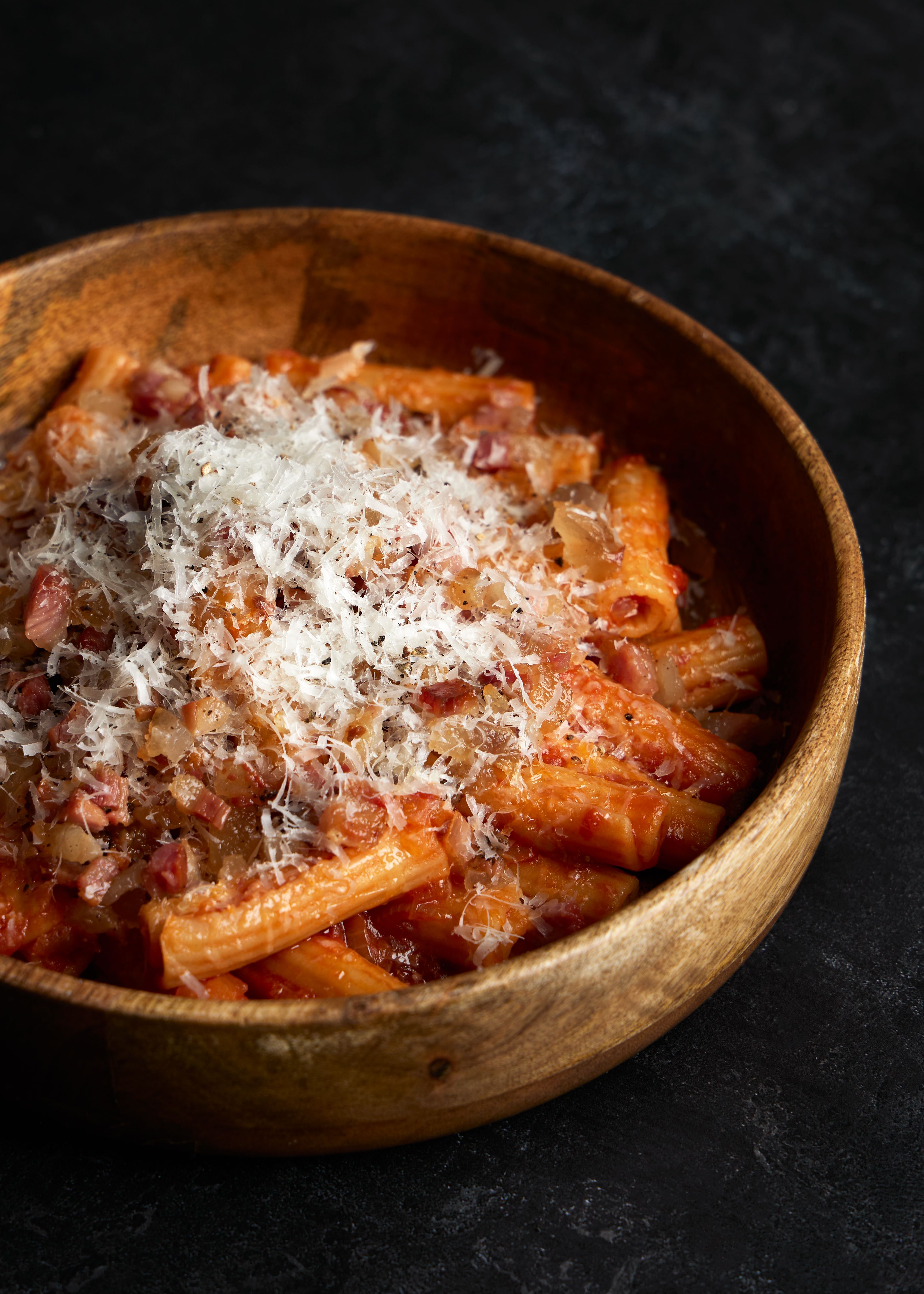
Homemade Hamburger Helper (Cheeseburger Macaroni)
Dinner
A one-skillet from-scratch version of boxed cheeseburger macaroni. Ground beef and elbow pasta simmer together in seasoned broth, finished off heat with sharp cheddar and sour cream for a sauce that stays creamy instead of grainy. About 35 minutes start to finish, with liquid and timing adjusted for high altitude.
Ingredients
1 lb ground beef (85/15) 1 tbsp butter 1 small yellow onion, finely diced 3 cloves garlic, minced 2 tbsp tomato paste 1 tbsp Worcestershire sauce (or see substitutions) 2 tsp Dijon mustard 2 tsp sweet paprika 1 tsp onion powder 1 tsp garlic powder 1 tsp kosher salt, plus more to taste (reduce or omit if using soy sauce or cooking sherry — see substitutions) 1/2 tsp black pepper 1 tbsp cornstarch (or 2 tbsp all-purpose flour — see substitutions) 2 1/2 cups beef broth (see altitude note) 1 cup whole milk 8 oz dry elbow macaroni 8 oz sharp cheddar, freshly grated (about 2 cups) 1/2 cup sour cream Chopped dill pickle and sliced scallion, to finish (optional)
Instructions
MISE EN PLACE: Grate the cheddar off the block yourself. Bagged shredded cheese is coated in anti-caking starch, which is the single biggest cause of a grainy sauce. In a small bowl, stir together the cornstarch, paprika, onion powder, garlic powder, salt, and pepper so the starch has no lumps and everything goes into the pan at once.
BROWN THE BEEF (6-8 minutes): Melt the butter in a 12-inch skillet or Dutch oven with a lid over medium-high heat. Add the beef and break it into small crumbles with a wooden spoon or meat chopper. Let it sit undisturbed for the first minute or two to develop real browning before you start stirring. Add the onion partway through and cook until softened. Stir in the garlic for the last 30 seconds.
If you used fattier beef, spoon off the excess grease now, leaving about a tablespoon behind for flavor.
BUILD THE FLAVOR BASE (2 minutes): Add the tomato paste, Worcestershire, and Dijon. Stir constantly and let the tomato paste toast against the hot pan until it darkens from bright red to brick — this is where the savory depth comes from, so don't rush it. Sprinkle in the cornstarch and spice mixture and stir to coat everything evenly.
SIMMER THE PASTA (12-15 minutes, longer at altitude): Pour in the beef broth and milk, scraping the bottom of the pan to lift any browned bits. Add the dry macaroni and stir. Bring to a boil, then reduce to a steady simmer, cover, and cook until the pasta is al dente. Stir every 3-4 minutes so nothing sticks to the bottom or clumps together.
HIGH ALTITUDE NOTE (7,500 ft): Water boils around 198°F here, so the pasta will need roughly 5-8 extra minutes and will drink more liquid than the box suggests. Start with the full 2 1/2 cups broth and keep another 1/2 cup warm nearby. If the pan goes dry before the noodles are tender, add it 1/4 cup at a time over low heat.
MELT THE CHEESE OFF HEAT: Pull the pan completely off the burner. Stir in the sour cream first, then add the grated cheddar in three additions, stirring until each one disappears before adding the next. Residual heat is more than enough to melt it. Cheddar added over direct heat will break and turn oily, so this step is worth the discipline.
REST AND SERVE (3-5 minutes): Let it sit uncovered for 3-5 minutes. The sauce looks loose right off the stove and thickens noticeably as it rests, so resist the urge to reduce it further. Taste and adjust salt. Top with chopped dill pickle and scallion if you want the full cheeseburger effect.
SUBSTITUTIONS AND PANTRY SWAPS:
NO CORNSTARCH — use 2 tbsp all-purpose flour (flour has about half the thickening power, so you need double). Method changes: don't add it to the spice bowl. Sprinkle the flour over the beef after the tomato paste toasts, stir, and cook a full minute before any liquid goes in. This builds a quick roux in the beef fat, cooking out the raw flour taste and giving a more velvety, gravy-like sauce. Flour also holds up better over the longer simmer altitude requires. It will look thinner in the pan than cornstarch would, right up until it isn't — trust the rest.
NO WORCESTERSHIRE — best option is 1 tbsp soy sauce + 1/2 tsp cider or white vinegar + a pinch of brown sugar. That covers what Worcestershire actually provides: fermented savory depth, acid, and a little sweetness. Fallbacks, in order: 2 tsp fish sauce + 1/2 tsp vinegar; or 1 tbsp balsamic + a pinch of sugar; or skip it and raise the Dijon to 1 tbsp.
COOKING SHERRY — not a Worcestershire replacement on its own (sherry brings nutty wine depth and acidity, not umami), but excellent alongside soy sauce. Add 2 tbsp as a deglaze right after the tomato paste toasts, scrape the pan, and reduce 60-90 seconds until the sharp alcohol smell burns off, then add the flour. Unsalted dry sherry (fino or amontillado) is better than grocery-store cooking sherry, which is heavily salted.
SALT, WHEN USING SUBSTITUTES — this is the easiest thing to get wrong. Soy sauce carries roughly 900mg sodium per tbsp and cooking sherry about 400mg per 2 tbsp. Using either one, cut the kosher salt to 1/2 tsp. Using both, leave the salt out entirely at the start and season only at the end, after the sauce has reduced and the cheddar (also salty) has gone in.
Developed as a from-scratch replacement for the boxed Hamburger Helper Cheeseburger Macaroni that a lot of us grew up on. The boxed version relies on a powdered sauce packet; this builds the same flavor profile from toasted tomato paste, Worcestershire, Dijon, and paprika, with cornstarch doing the thickening job that the packet used to. Two techniques make the difference: toasting the tomato paste before adding liquid, and melting the cheddar off heat after stirring in sour cream. Skipping either one gives you a thin or grainy sauce. Simmer time and liquid have been adjusted upward for cooking at 7,500 ft, where the lower boiling point means pasta cooks slower and more liquid evaporates.
Added by claude